By Abhranil Dasgupta — BMS 2nd Year
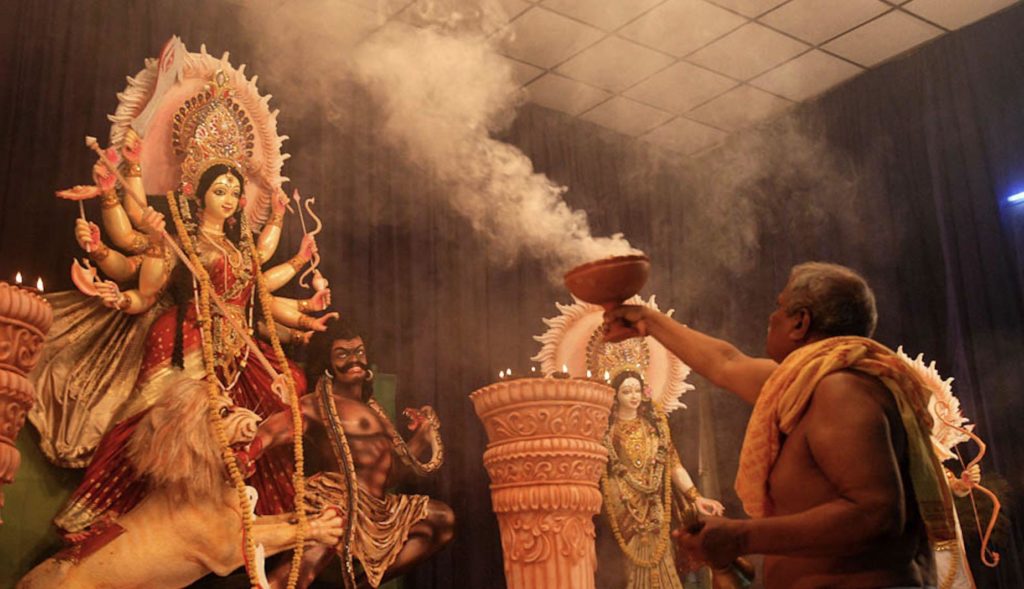
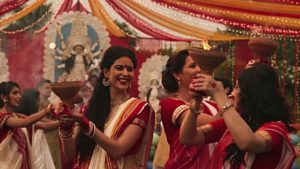
Durga Puja is a big festival in the land of Bengal. People from all over the world visit Bengal at this time of year to witness this glorious event. This festival starts normally from October. The festival starts from Mahalaya, an auspicious day marked for Maa’s arrival on Earth. This festival mainly has five main days when people mostly celebrate, i.e., Shasthi, Saptami, Asthami, Navami and Dashami.
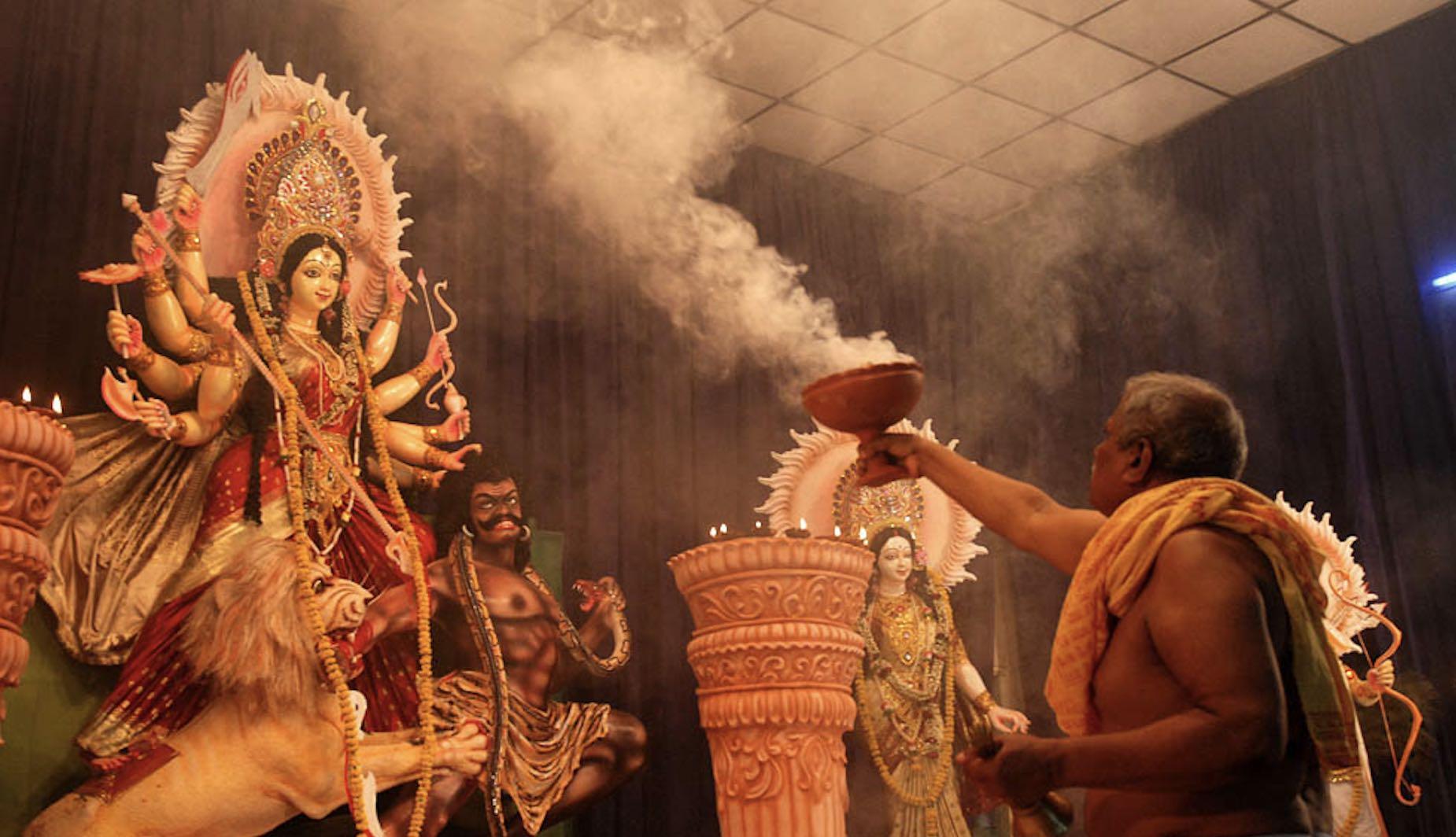
The concept of Durga Puja started from the famous epic of Krittibashi Ramayan (the Bengali adaptation of the Valmiki Ramayan by Krittibash Ojha) when Shree Ram, in order to achieve divine help to defeat the demon Ravana, conducted a Durga Puja with 108 blue lotuses during the autumn season when all deities were believed to be asleep. This untimely awakening of the embodiment of Shakti is called as Akalbodhan (akal meaning untimely and bodhan meaning awakening). This gave birth to the famous Durga Puja festival in Bengal.
People mostly know about the Durga Puja festival of Kolkata and places surrounding it. But in North Bengal, the Durga Puja festival carries a great history just like in Kolkata.
Durga Puja in North Bengal is somewhat different from that of Kolkata. Alongside modern community pandals, the region preserves royal, zamindari, Rajbanshi, folk and Shakta traditions.
Cooch Behar
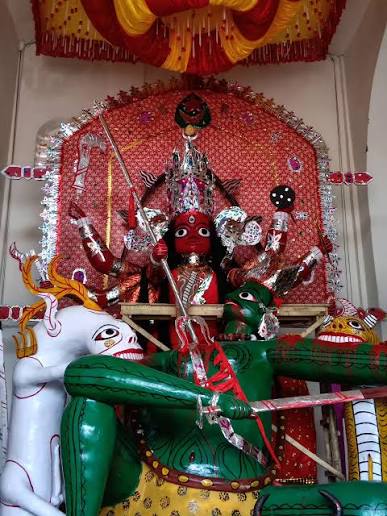
First, let’s start with Cooch Behar. The most famous example of Durga Puja in Cooch Behar is the Boro Devi Pujo of Cooch Behar. This festival is said to trace back during the reign of Maharaja Nara Narayan from the 16th century, making it roughly five hundred years old. What makes it unusual is the fact that this deity is not represented in the conventional Bengali Durga format. Jay and Vijay, the two celestial gatekeepers of the mythical land of Vaikunth, accompany the Goddess instead of Lakshmi, Saraswati, Kartik and Ganesh. The Goddess’ vehicle is traditionally a tiger rather than a lion and the wood from the Moyna tree plays an important role in the preparation of the image of Maa. This particular festival follows distinctive royal-era rituals and Shakta practices. This festival acts as a living remnant of the Koch royal culture.
Jalpaiguri
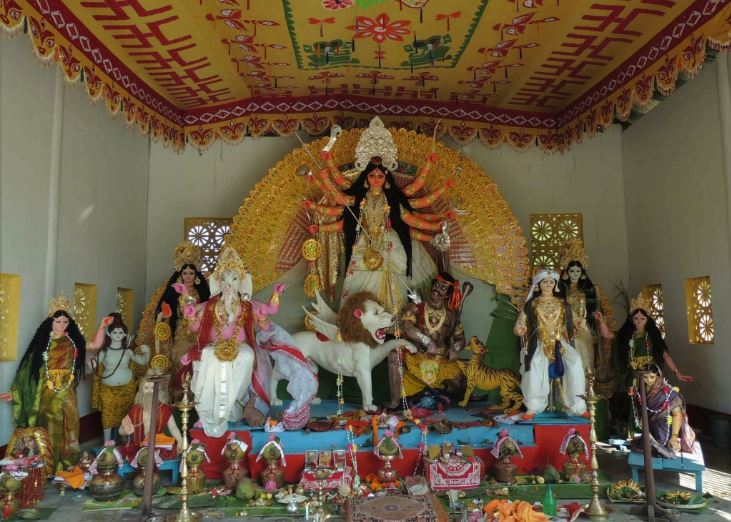
Jalpaiguri also follows old Rajbari and family-based Durga Pujas. One of the well known traditional Rajbari Pujo of Jalpaiguri is the Baikunthapur Rajbari Durga Puja festival which is said to have a history of five hundred years and is continued through the descendants of the family. Another distinctive family tradition is the Ardhakali Puja in Dhupguri, whose lineage is traced by the family to present-day Bangladesh and is said to be around 400 years old.
Rajbanshi Traditions
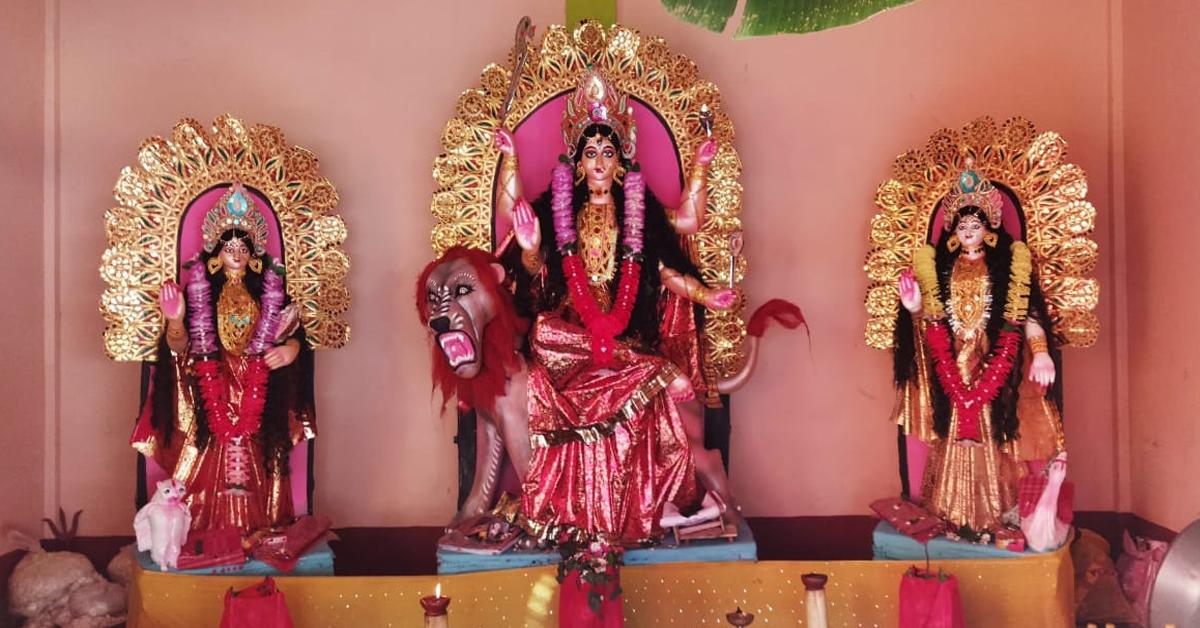
Many Rajbanshi traditions in North Bengal also shaped Durga Puja in a different way. One of them being the Bhandani Puja. In many Rajbanshi-majority villages of Jalpaiguri, Cooch Behar and Alipurduar, the Goddess is worshipped as Maa Bhandani or Ban Durga. This festival is celebrated after Dashami and is a big part of the Rajbanshi-style Pujo of Dooars.
Siliguri
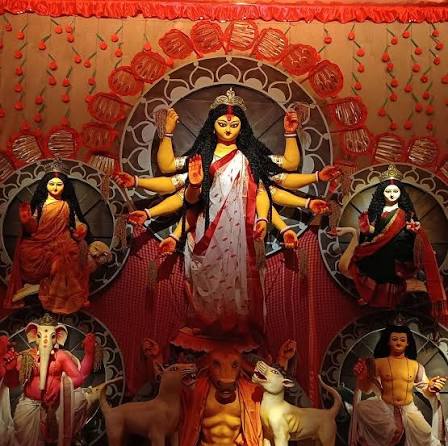
Siliguri, on the other hand, shows a whole different side of the festival in North Bengal. Its rapid urbanization and large migrant population have produced a more contemporary Sarbojanin or community Pujo culture, with clubs and neighbourhood committees organising elaborate pandals with lighting, cultural programs, etc. Some of the examples of these committees include Dadabhai Club, Subrata Sanga, Central Colony, JTS Club, etc. So, Siliguri’s Pujo is a more modern metropolitan or community model, whereas Cooch Behar and parts of Jalpaiguri preserve stronger historical and cultural significance in the context of Durga Puja in North Bengal.
More Than a Festival
We have to keep in mind that Durga Puja is not just a celebration of welcoming a Goddess in Bengal. The people of Bengal treat Maa Durga as their own daughter returning home after a whole year. This festival doesn’t only involve culture, tradition or rituals. This festival also dwells in emotions of joy and ecstasy on the arrival of the Daughter of Bengal. So, this Durga Puja, let’s celebrate with full energy and joy. Subho Sharadiya.